Empowering Your Daily With Smart Choices for a Healthier Life
Empowering Your Daily With Smart Choices for a Healthier Life
Welcome to the future of mental and cognitive health. As we navigate the complexities of 2026, our understanding of the human brain has evolved dramatically. We are no longer looking at mental wellness as merely the absence of illness; instead, we are entering an era of proactive, lifespan-focused brain health. From groundbreaking discoveries about how our brains age in distinct “eras” to the intricate precision of the gut-brain axis, the science of cognitive preservation has never been more exciting—or more actionable.
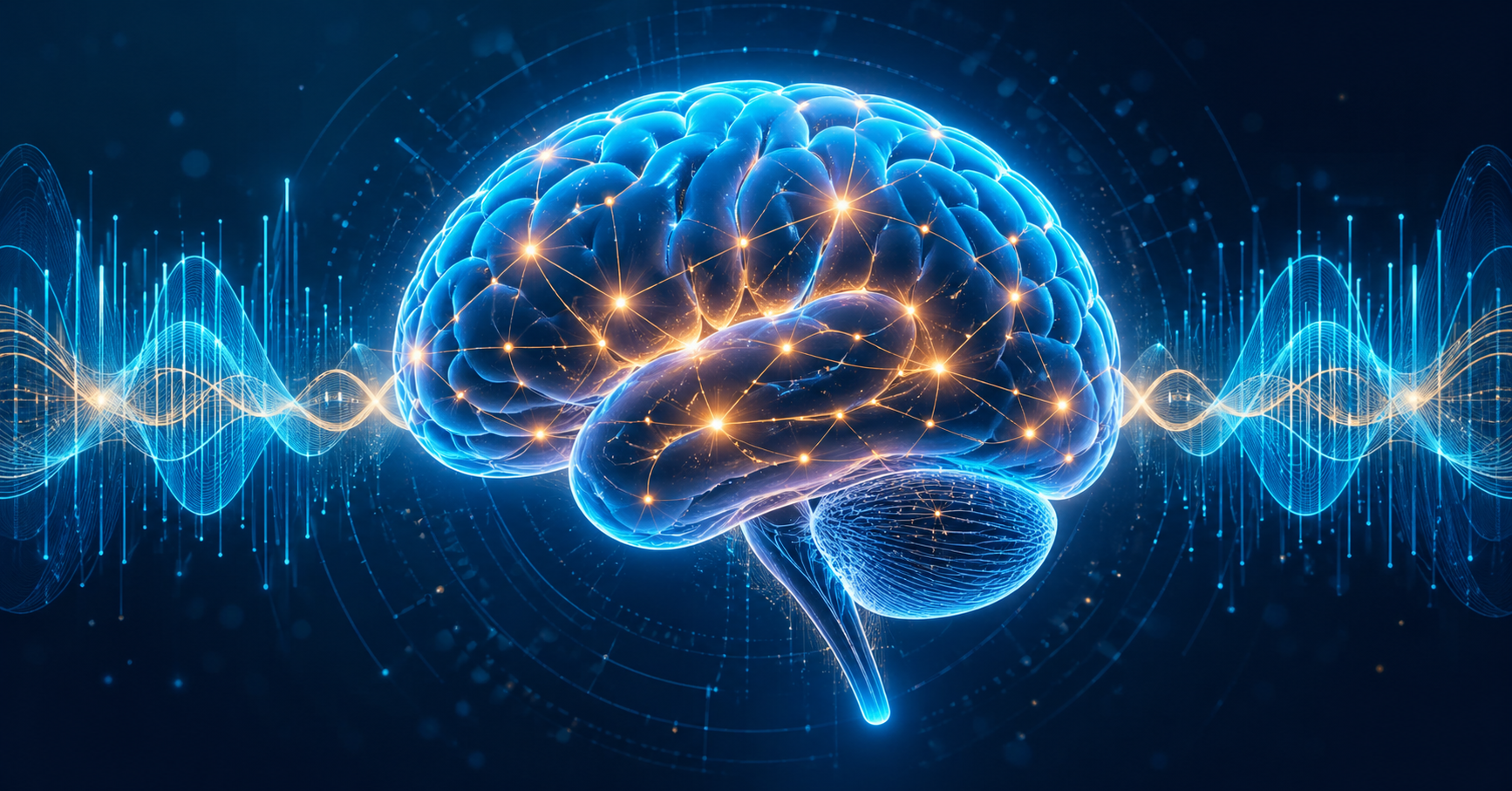
In this comprehensive guide, we will explore the most critical mental and cognitive health trends of 2026. We will delve into the science behind cognitive decline prevention, the impact of our digital environments, and the emerging role of neuro-acoustic therapies. Whether you are looking to sharpen your focus, protect your memory as you age, or simply understand the fascinating mechanics of your own mind, this article provides the evidence-based strategies you need.
The Paradigm Shift: From Mental Illness to Lifespan Brain Health
For decades, the medical community and the wellness industry focused primarily on treating mental health conditions after they arose. Today, the paradigm has shifted toward a proactive model of lifespan brain health. This approach recognizes that our brains are dynamic organs that require different types of support at different stages of life.
The Five Eras of the Human Brain
One of the most significant breakthroughs in recent neuroscience is the identification of distinct “eras” in human brain development. A landmark 2025 study from the University of Cambridge, analyzing nearly 4,000 brain scans, revealed that the brain does not age in a smooth, linear fashion. Instead, it undergoes major structural turning points at approximately ages 9, 32, 66, and 83, creating five distinct phases of neural life.
| Brain Era | Age Range | Key Characteristics | Wellness Focus |
|---|---|---|---|
| Neural Foundation Era | Birth – 9 | Rapid network growth and pruning | Learning, emotional regulation, nutrition |
| Adaptive Growth Era | 9 – 32 | Extended neurodevelopment, cognitive flexibility | Novelty, learning, stress management |
| Cognitive Stability Era | 32 – 66 | Peak productivity, complex problem-solving | Stress reduction, neuro-acoustic optimization |
| Brain Resilience Era | 66 – 83 | Early aging processes begin | Cognitive training, social engagement, neuroprotection |
| Longevity Brain Era | 83+ | Localized neural connectivity | Purpose, social integration, cognitive support |
Understanding these eras allows us to tailor our wellness strategies with precision. Someone in the Cognitive Stability Era might focus on stress management and neuro-acoustic optimization, while someone entering the Brain Resilience Era should prioritize neuroprotective nutrition and cognitive speed training.
The Role of Cognitive Speed Training in Dementia Prevention
As we transition into the Brain Resilience Era, the fear of cognitive decline and dementia becomes more prominent. However, recent research from the National Institutes of Health offers significant hope. Studies have shown that moderate cognitive speed training can delay the onset of dementia over subsequent decades. By challenging the brain to process visual information faster, these exercises strengthen neural pathways and build cognitive reserve—a buffer that allows the brain to maintain function even as age-related changes occur.
“The findings reported here suggest that moderate cognitive training could delay the onset of dementia over subsequent years. It is possible that adding this cognitive training to lifestyle change interventions may delay dementia onset.” — National Institutes of Health, February 2026
Modern digital platforms and specialized training programs are now at the forefront of this preventive strategy, making cognitive speed training more accessible than ever before.
The Gut-Brain Axis: Precision Science for Mental Clarity
The connection between our digestive system and our brain—the gut-brain axis—has been a topic of intense study for years. However, in 2026, this science has moved from general observations to precision interventions. We now understand that the microbiome is not just a passive passenger; it is an active participant in our mental and emotional wellbeing.
How Microbes Influence the Mind
The human gut microbiome consists of trillions of microorganisms that communicate with the central nervous system through intricate bidirectional pathways, including the vagus nerve, the immune system, and the production of neurotransmitters and metabolites. Recent research has identified specific microbiome signatures associated with depression, anxiety, impulsiveness, and even addiction, suggesting a causal role for gut bacteria in psychiatric and cognitive disorders.
Furthermore, microbial metabolites—such as short-chain fatty acids (SCFAs) and indoles—have been shown to directly influence stress responses, mood regulation, and neuroinflammation. When the gut microbiome is imbalanced (a condition known as dysbiosis), it can lead to systemic inflammation that crosses the blood-brain barrier, contributing to brain fog, cognitive fatigue, and an increased risk of neurodegenerative diseases.
Precision Interventions for Gut-Brain Health
The era of generic probiotics is giving way to targeted, precision interventions. Scientists and wellness practitioners are now utilizing psychobiotics (specific bacterial strains that confer mental health benefits), microbiome-based diagnostics, and targeted diet therapies. A diet rich in diverse, plant-based fibers is essential for feeding beneficial bacteria and promoting the production of neuroprotective SCFAs.
A groundbreaking March 2026 study from Stanford Medicine found that enhancing gut-brain communication could actually reverse aging-related cognitive decline in animal models, opening exciting new avenues for human intervention. By optimizing gut health, we can directly impact our cognitive clarity, emotional resilience, and overall mental wellness.
Neuro-Acoustic Therapy: Tuning the Brain for Peak Performance
As we seek natural, non-invasive ways to enhance cognitive function, neuro-acoustic therapy has emerged as a leading trend in 2026. This approach utilizes specific sound frequencies to stimulate targeted brainwave states, offering a unique pathway to mental optimization.
Understanding Brainwaves and the Gamma State
Our brains operate at different frequencies depending on our state of consciousness: Delta (deep sleep), Theta (light sleep/meditation), Alpha (relaxation), Beta (alert focus), and Gamma (peak performance). Gamma brainwaves are the fastest measurable brainwaves and are associated with our highest levels of intelligence, rapid learning, complex problem-solving, and moments of profound insight.
Unfortunately, the chronic stress, digital overload, and constant stimulation of modern life often suppress Gamma activity. Many people find themselves locked in a state of high Beta (anxiety/stress) or struggling with persistent brain fog, unable to access their full mental potential.
The Rise of Digital Nootropics
This is where neuro-acoustic therapies—often referred to as “digital nootropics”—come into play. Unlike physical supplements that must be digested and absorbed, digital nootropics use soundwaves to directly influence brain activity through a process called brainwave entrainment. By listening to specifically engineered audio tracks, the brain naturally synchronizes its electrical cycles to the rhythm of the sound, allowing individuals to intentionally shift their brainwave state.
🎼 Featured Recommendation: The Brain Song
One of the most compelling innovations in this space is The Brain Song. Endorsed by a former NASA neuroscientist and currently the #1 ranked cognitive health offer on ClickBank (April 2026), this breakthrough digital audio program uses advanced soundwave technology designed to stimulate Gamma brainwaves naturally.
Instead of relying on caffeine or synthetic stimulants, users simply listen to the specialized 7-minute audio track daily. As the brain shifts into Gamma mode, users report:
- Sharper, sustained focus throughout the day
- Faster information processing and clearer thinking
- Enhanced mental clarity and significantly reduced brain fog
- A powerful “in-the-zone” feeling that elevates overall mental performance
Because it is an auditory program, it bypasses the digestive system entirely, offering a safe, non-invasive tool for cognitive enhancement with no side effects.
💡 Learn More About The Brain Song →
Affiliate link. We may earn a commission if you purchase.
The Impact of Microplastics on Cognitive Health
While we often focus on nutrition and mental exercises, environmental factors are increasingly recognized as critical determinants of brain health. In 2026, the scientific community has firmly established the link between microplastics and cognitive risk.
The Invisible Threat to Your Brain
Microplastics are tiny plastic particles, less than five millimeters in length, that have permeated our environment. They are found in our oceans, soil, air, and consequently, our food and water supply. Recent studies have shown that these particles can cross biological barriers, including the blood-brain barrier, which is designed to protect the brain from toxins. Once inside the brain, micro- and nanoplastics can trigger neuroinflammation—a key driver of cognitive decline, mood disorders, and neurodegenerative diseases.
The Global Wellness Institute’s Microplastics Watch Initiative is now actively mobilizing the wellness sector to track emerging science and translate it into prevention strategies. The chronic exposure to these environmental toxins contributes to systemic inflammation, which impairs cognitive function, memory, and emotional regulation.
Strategies for Detoxification and Cognitive Protection
As awareness of this threat grows, the wellness industry is providing actionable strategies. The most effective approach is to minimize the use of single-use plastics in food storage and preparation, opting for glass, stainless steel, or silicone containers. Investing in high-quality water filtration systems certified to remove microplastics is also essential. To support the body’s natural detoxification pathways, staying hydrated, consuming antioxidant-rich foods, and engaging in regular physical activity to promote sweating are all highly beneficial.
🌿 Featured Recommendation: Purisaki Berberine Patches
While primarily known for its metabolic benefits, Berberine is a powerful plant-based compound that also offers significant neuroprotective properties. It has been shown to reduce neuroinflammation, improve blood flow to the brain, and support healthy neurotransmitter levels.
Purisaki Berberine Patches offer a convenient, needle-free transdermal delivery system that ensures consistent absorption throughout the day, bypassing the digestive tract entirely. By supporting metabolism and reducing systemic inflammation, these patches provide a foundational layer of protection for your cognitive health while also helping manage appetite and cravings.
With over a million patches sold worldwide and top affiliates reporting up to 14% conversion rates, this is a product that has earned the trust of a large and growing community of health-conscious consumers.
💡 Discover Purisaki Berberine Patches →
Affiliate link. We may earn a commission if you purchase.
Nootropics: The Evolution of Cognitive Enhancement
The quest for enhanced mental performance has led to the rapid growth of the nootropics market. In 2026, the U.S. nootropics market is projected to be worth over $3 billion and growing at a compound annual growth rate of nearly 9%. The trend has shifted significantly away from synthetic stimulants toward natural, botanical nootropics that offer sustainable cognitive enhancement without crashes, jitters, or long-term side effects.
Key Evidence-Based Nootropic Ingredients
When evaluating nootropic supplements, look for ingredients with a strong evidence base. Bacopa Monnieri, an adaptogenic herb, has been shown to improve memory and cognitive processing speed. Lion’s Mane Mushroom contains compounds that stimulate the production of Nerve Growth Factor (NGF), promoting the growth and repair of neurons. L-Theanine, found in green tea, promotes relaxation without drowsiness. Rhodiola Rosea reduces fatigue and improves mental performance under stress. Finally, Citicoline is a naturally occurring brain chemical that supports memory, focus, and overall brain energy metabolism.
🧠 Featured Recommendation: The Genius Switch
For those seeking a comprehensive approach to cognitive enhancement, The Genius Switch offers a unique solution by tapping into “Whole Brain Activation.” Developed by neuroscientists and endorsed by top neurologists, this digital program features a simple, 7-minute-a-day auditory sequence designed to synchronize the brain’s hemispheres.
Customers report dramatic boosts in mental clarity, focus, and creativity, making it a powerful life-transforming tool. The funnel is backed by a seasoned ClickBank marketer with nearly $100M in sales, and it features sky-high conversions and low refund rates—a testament to the genuine value it delivers.
The Genius Switch is an excellent complement to a healthy diet and natural nootropic supplementation, providing a holistic approach to cognitive optimization.
💡 Activate Your Full Potential with The Genius Switch →
Affiliate link. We may earn a commission if you purchase.
The Social Mind: Connection as Cognitive Medicine
As we delve deeper into the science of mental wellness, we are rediscovering the profound impact of social connection on brain health. Loneliness is no longer viewed simply as an emotional state; it is recognized as a significant risk factor for cognitive decline and neurological disorders. The World Health Organization has identified social engagement as a key lifestyle intervention for preventing cognitive decline.
Human beings are inherently social creatures, and our brains have evolved to thrive in communities. When we engage in meaningful conversations, practice empathy, and collaborate with others, we are actively exercising our brains. This social cognition strengthens neural pathways involved in perspective-taking, emotional regulation, and complex problem-solving. Conversely, chronic loneliness and social isolation have been linked to increased inflammation, elevated stress hormones, and a higher risk of developing dementia.
In 2026, the concept of mental wellness is expanding from individual awareness to collective intelligence. To support your “social mind,” prioritize meaningful relationships, engage in community activities, practice active listening, and embrace intergenerational connections. By cultivating strong social ties, we not only enrich our lives emotionally but also build a robust cognitive reserve that can protect our brains as we age.
Neuro-Regulated Environments: Finding Balance in a Digital World
Our cognitive evolution is increasingly shaped by our digital environments. Constant connectivity, algorithmic information flows, and prolonged screen time are fundamentally altering our attention patterns, emotional regulation, and stress physiology. Chronic digital stimulation can lead to heightened cognitive load, sympathetic nervous system activation, and disrupted sleep patterns—all of which compromise cognitive function and recovery.
To counter these effects, the concept of “neuro-regulated environments” is gaining traction. These are spaces intentionally designed to support physiological regulation, sensory modulation, and cognitive recovery. Creating such environments involves minimizing harsh lighting, reducing background noise, incorporating calming scents, integrating elements of nature (biophilic design), and establishing digital detox zones where screens are prohibited. Immersive recovery experiences, such as sound baths, guided meditation, or neuro-acoustic therapies, can also promote deep relaxation and mental restoration.
The Science of Neuroplasticity and Lifelong Learning
To truly understand the power of the interventions discussed above, we must delve into the foundational concept of neuroplasticity—the brain’s remarkable ability to reorganize itself by forming new neural connections throughout life. This adaptability allows neurons to compensate for injury and disease and to adjust their activities in response to new situations or changes in their environment.
When we learn something new, our brain physically changes. Neurons that fire together, wire together. This means that repeated activation of a specific neural pathway strengthens the connections between those neurons, making the pathway more efficient. Conversely, pathways that are rarely used become weaker and may eventually be pruned away. This “use it or lose it” principle underscores the critical importance of continuous cognitive engagement.
Harnessing Neuroplasticity for Cognitive Longevity
The realization that our brains remain plastic throughout our lives is incredibly empowering. By intentionally engaging in activities that promote neuroplasticity, we can build cognitive reserve and enhance our mental resilience. The most effective strategies include embracing novelty and new experiences, pursuing continuous learning (particularly learning a new language or musical instrument), engaging in regular aerobic exercise to stimulate the release of Brain-Derived Neurotrophic Factor (BDNF), and practicing mindfulness and meditation to reduce the negative impact of chronic stress on cognitive function.
The most effective approach to cognitive health is a synergistic one. When we combine the principles of neuroplasticity with targeted interventions—optimizing the gut-brain axis, utilizing neuro-acoustic therapies like The Brain Song or The Genius Switch, protecting against environmental toxins with solutions like Purisaki Berberine Patches, and cultivating meaningful social connections—we create a comprehensive, multi-layered defense against cognitive decline. Each intervention supports and enhances the others, leading to profound improvements in mental clarity, focus, and overall cognitive vitality.
Conclusion: Embracing the Future of Cognitive Health
The landscape of mental and cognitive health in 2026 is defined by a profound shift toward proactive, personalized, and holistic strategies. We are moving beyond the reactive treatment of symptoms to embrace a lifespan approach that honors the dynamic nature of the human brain. From understanding the distinct eras of neural development to harnessing the precision of the gut-brain axis, the tools available to us are more sophisticated and effective than ever before.
We now recognize the critical importance of mitigating environmental risks like microplastics, the power of natural nootropics and neuro-acoustic therapies, and the indispensable role of social connection and neuro-regulated environments. By integrating these evidence-based strategies into our daily lives, we can protect our cognitive health, enhance our mental performance, and cultivate a deep, enduring sense of wellbeing.
Your 2026 Cognitive Health Action Plan
- Engage in Cognitive Speed Training: Challenge your brain with exercises designed to improve processing speed and build cognitive reserve against future decline.
- Optimize Your Gut-Brain Axis: Support your microbiome with a diverse, plant-rich diet and consider targeted psychobiotics for precision mental health support.
- Explore Neuro-Acoustic Therapies: Utilize digital nootropics like The Brain Song or The Genius Switch to naturally stimulate peak brainwave states.
- Minimize Environmental Toxins: Reduce your exposure to microplastics and support your body’s detoxification pathways with solutions like Purisaki Berberine Patches.
- Cultivate Meaningful Connections: Prioritize social engagement to strengthen your “social mind” and protect against cognitive decline.
- Create Neuro-Regulated Spaces: Design your home and work environments to support cognitive recovery and mitigate the effects of digital overload.
The future of your brain is in your hands. Embrace the science, explore the innovations, and unlock your full cognitive potential.
References & Further Reading
- University of Cambridge. (2025). Scientists identify five ages of the human brain over a lifetime.
- National Institutes of Health. (2026, February). Cognitive speed training over weeks may delay the diagnosis of dementia over decades.
- Frontiers in Microbiomes. (2025). The gut–brain connection: microbes’ influence on mental health and brain development.
- Duke-NUS Medical School. (2025). Gut microbes produce metabolites that influence anxiety-related brain activity.
- Global Wellness Institute. (2026). Mental Wellness Initiative Trends for 2026.
- Stanford Medicine. (2026, March). Enhancing gut-brain communication reversed cognitive decline.
- Global Wellness Institute. (2025). Microplastics Watch Initiative.
- World Health Organization. (2019). Seven Lifestyle Interventions for Preventing Cognitive Decline.